#News & Events ·2026-08-21


A visionary proposal, three years of persistent effort, and finally a lasting blessing for the city. In 2023, Weibing Liu, a member of the Sichuan Provincial Committee of the Chinese People's Political Consultative Conference (CPPCC), a standing committee member of the Qingyang District CPPCC, and a seasoned architect, submitted a proposal at the Qingyang District CPPCC session titled "Suggestions on Building Urban Ventilation Corridors Through Organic Renewal of the Historic Core." The proposal addressed pressing livelihood issues such as heat accumulation and the intensifying urban heat island effect in the old city area.
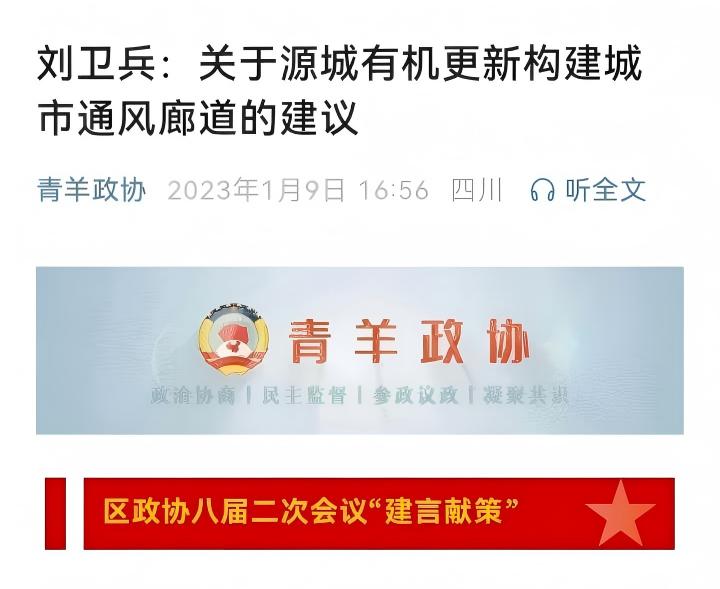
2023 Qingyang CPPCC publication featuring Liu Weibing's proposal – screenshot
By 2026, a three-tier ventilation corridor system covering the entire Chengdu metropolitan area has been fully launched, with the city's "cross-breeze" planning receiving special coverage by state-level media.
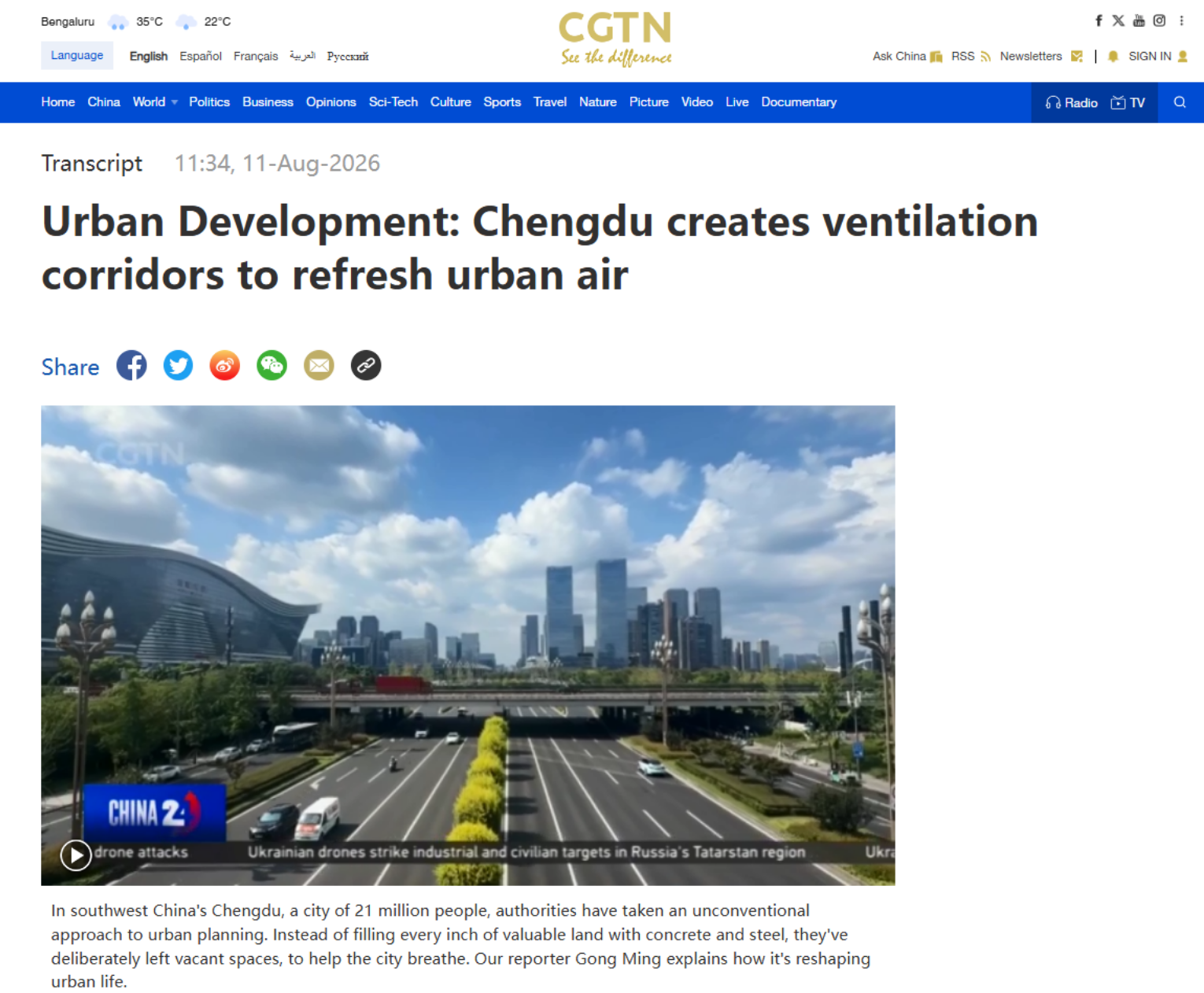
CGTN news screenshot
This proposal, submitted three years ago with a focus on people's well-being and long-term vision, has now evolved into a major ecological and livelihood project benefiting tens of millions of residents. It has set the millennium-old city of Chengdu on a path toward low-carbon, green and livable urban development that will serve generations to come.
Chengdu is located in the Sichuan Basin, where calm and low-wind conditions prevail. The old city districts feature dense building clusters, while natural cooling sources such as waterways and green spaces have been increasingly encroached upon, exacerbating the heat island effect. Every summer, accumulated heat in the urban core is difficult to dissipate, and poor air circulation directly undermines residents' living comfort.
[CGTN news video]
"In Chengdu, a city of 21 million people in southwest China, local authorities have adopted an innovative approach to urban planning. Rather than filling every inch of valuable urban space with reinforced concrete, they have deliberately set aside open areas to help the city 'breathe.' Our correspondent Gong Ming explains how this is reshaping urban life.
Chengdu sits in the Sichuan Basin, where low wind speeds and stagnant weather conditions make it easy for heat and pollutants to accumulate. This problem has worsened as urban construction has become increasingly dense. To address this, Chengdu has put forward a bold solution: building ventilation corridors to channel fresh air through the city – much like creating a 'fresh air system' for the city."
With decades of experience in the architecture and planning industry, and years of on-the-ground research in the historic city core, Weibing Liu clearly understood that if short-term land development returns were pursued at the expense of high-intensity construction, it might generate quick economic gains but would damage the city's ecological fabric, leaving behind intractable urban ailments that would harm the living environment for generations.
Driven by the commitment to solve today's problems while safeguarding the future, Weibing Liu leveraged his expertise in architecture and planning to craft practical, actionable recommendations. The proposal called for preserving and opening up air corridors during the organic renewal of the old city, protecting and connecting historical water features such as the Jinshui River and Mochi Lake as natural cooling sources, and establishing a tiered urban ventilation network. It also advocated for unblocking ventilation nodes at the street level, reserving sufficient open ecological spaces, restoring natural air circulation patterns, mitigating the heat island effect, improving the microclimate of the old city, reducing urban energy consumption, and ensuring the city's long-term livability.
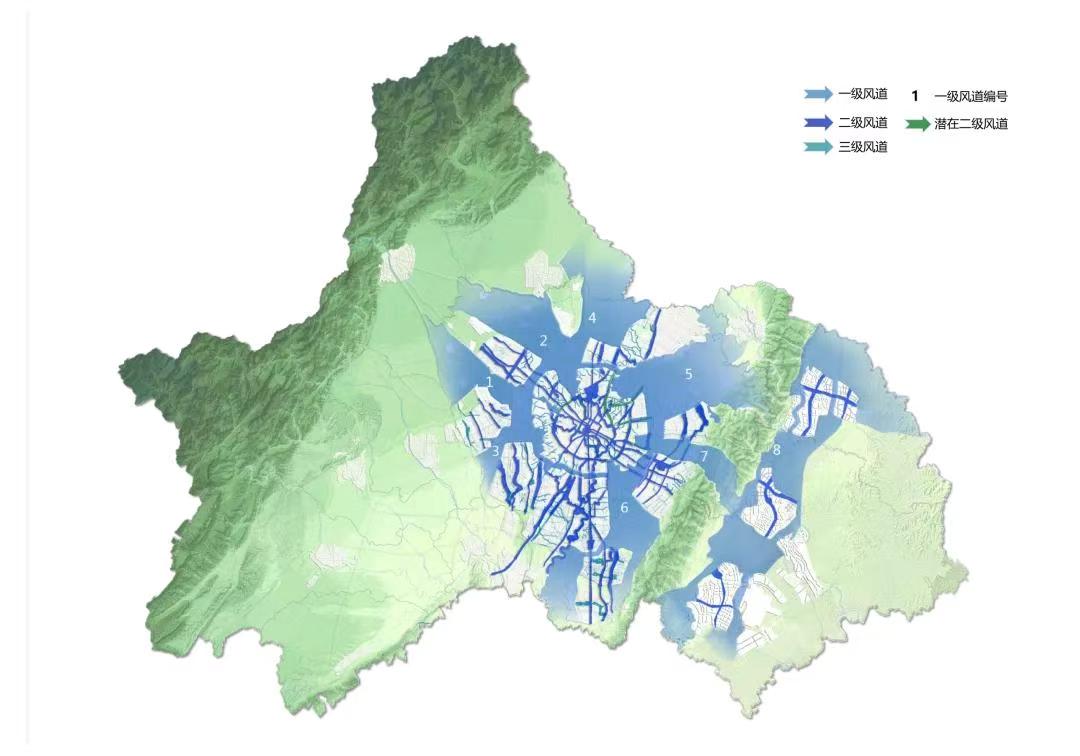
Ventilation corridor diagram
Government departments fully absorbed the core ideas of the proposal, elevating the localized concept for the historic core into a citywide development strategy. The city systematically established a three-tier ventilation corridor system (primary, secondary and tertiary), designated main ventilation channels and street-level micro-circulation corridors, strictly regulated building heights and development intensity around the corridors, and safeguarded ecological open-space boundaries. This guides fresh suburban breezes continuously into the city, allowing it to "breathe" freely. In the renewal projects of Qingyang's historic core, the principles of "reserving open space for wind and fostering synergy between city and water" have already been implemented in areas such as Shaocheng and Mochi Lake, achieving a harmonious balance between cultural heritage preservation and ecological livability.
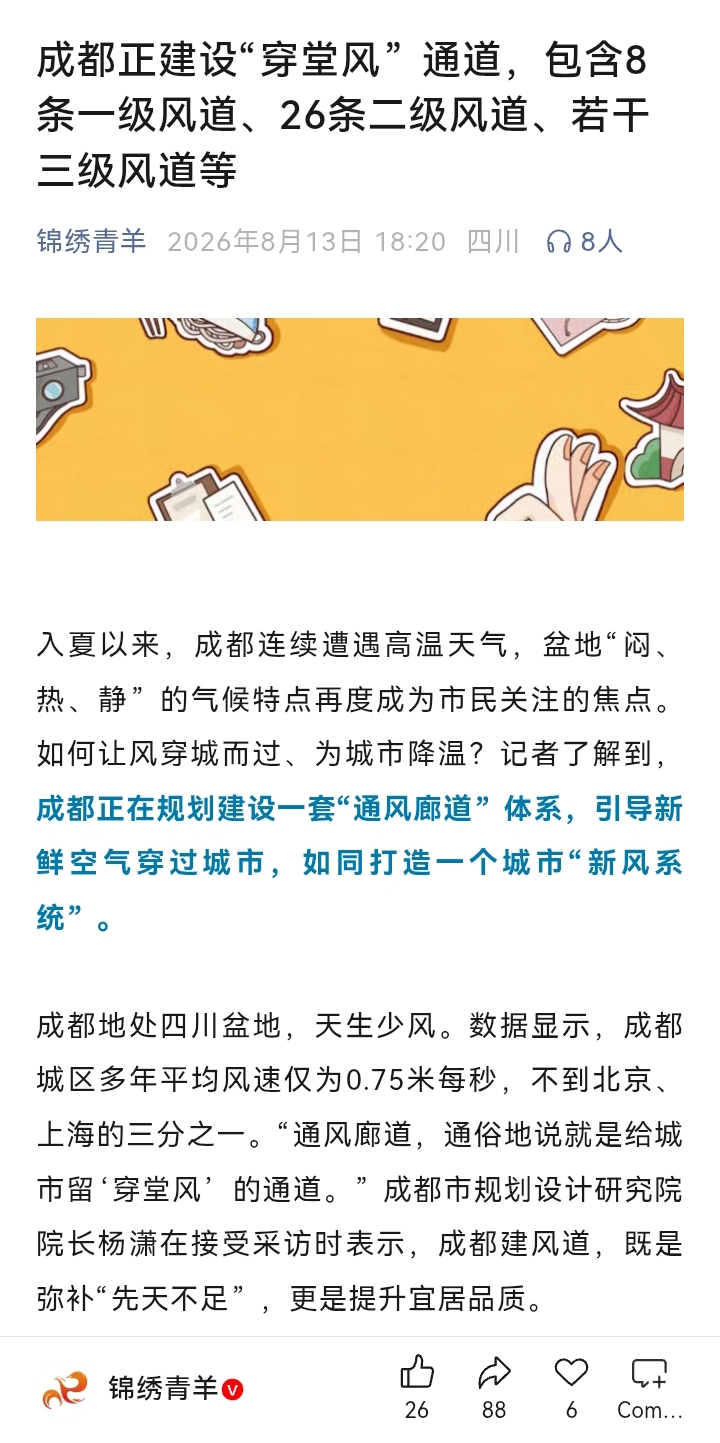
Chengdu begins construction of ventilation corridors – Jinxiu Qingyang screenshot
Building urban ventilation corridors is an investment in people's well-being and long-term ecological dividends. By voluntarily forgoing some short-term development revenues, the city gains localized temperature regulation, improved air quality, and significant reductions in summer air-conditioning energy consumption and carbon emissions. This not only tangibly enhances the quality of life for current residents but also preserves the city's natural endowment and provides a high-quality living environment for future generations – truly benefiting the present while nourishing posterity.
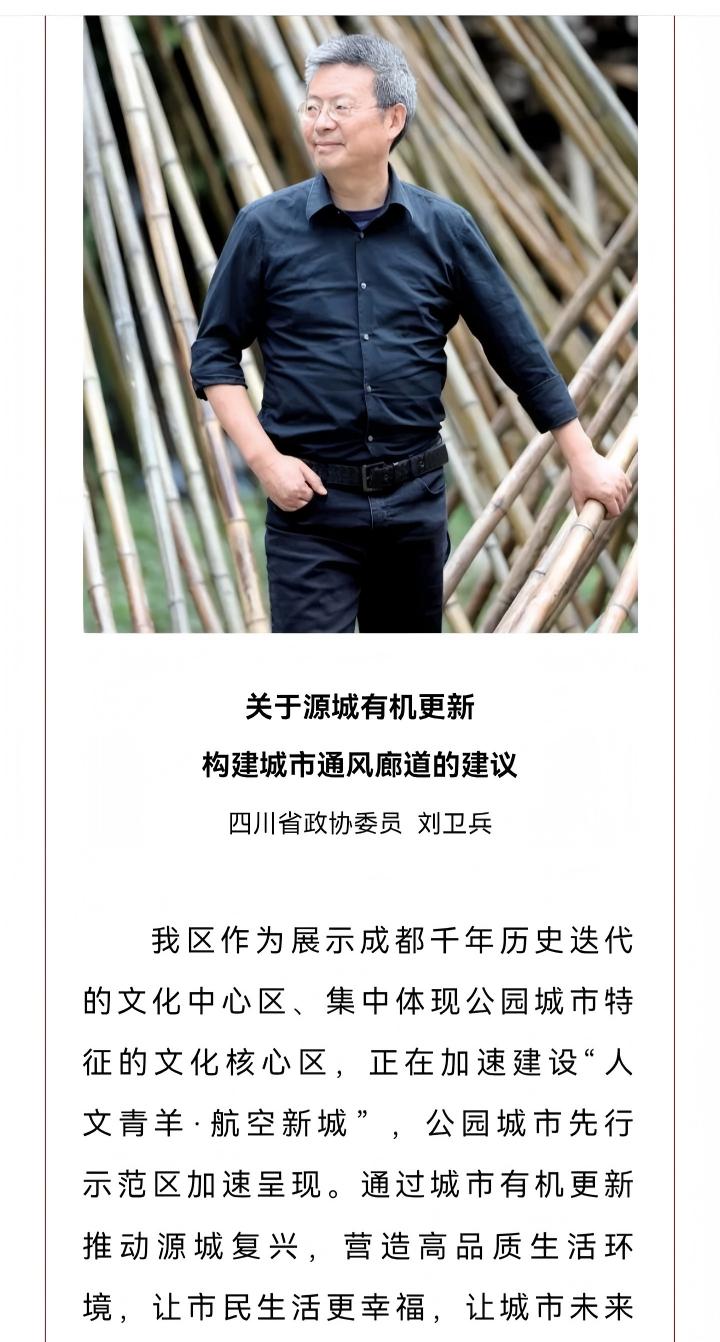
Qingyang CPPCC screenshot
From a CPPCC member's proposal to a major livelihood project implemented citywide, the three-year journey vividly demonstrates the important value of consultative democracy in urban governance. Liu Weibing, fulfilling his duties with professional expertise, keeping people's welfare at heart and maintaining a long-term perspective, fully exemplifies the sense of responsibility and commitment expected of a CPPCC member.
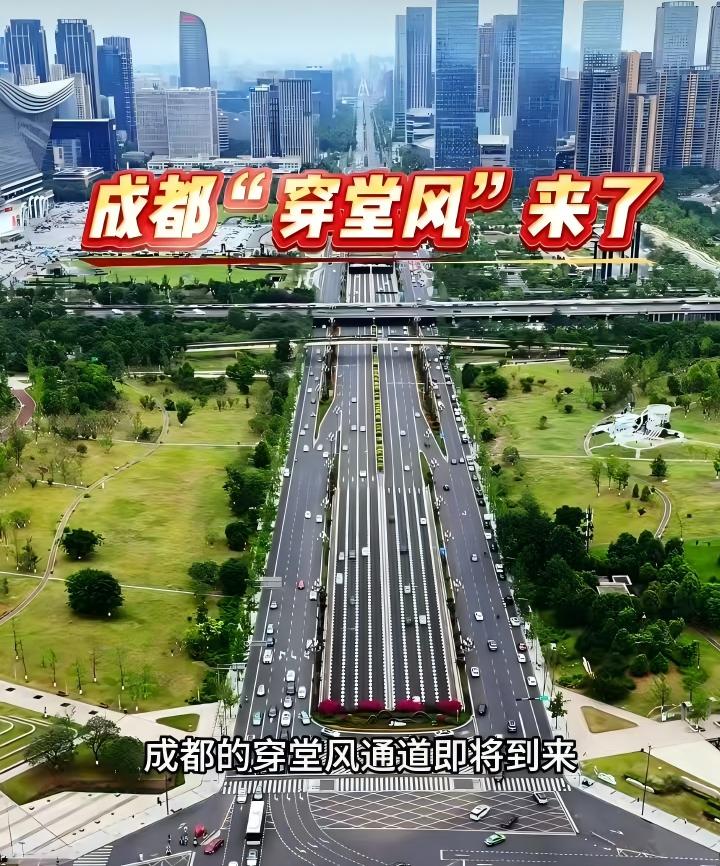
sourced from the internet
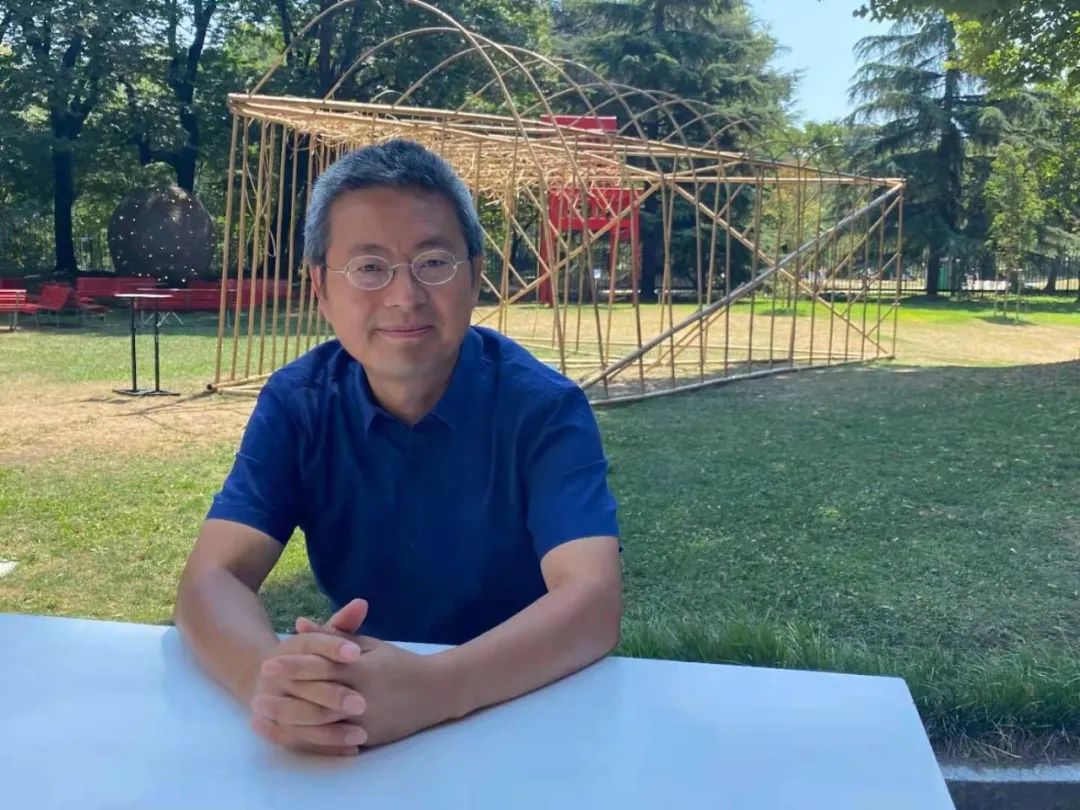
2025-05-19
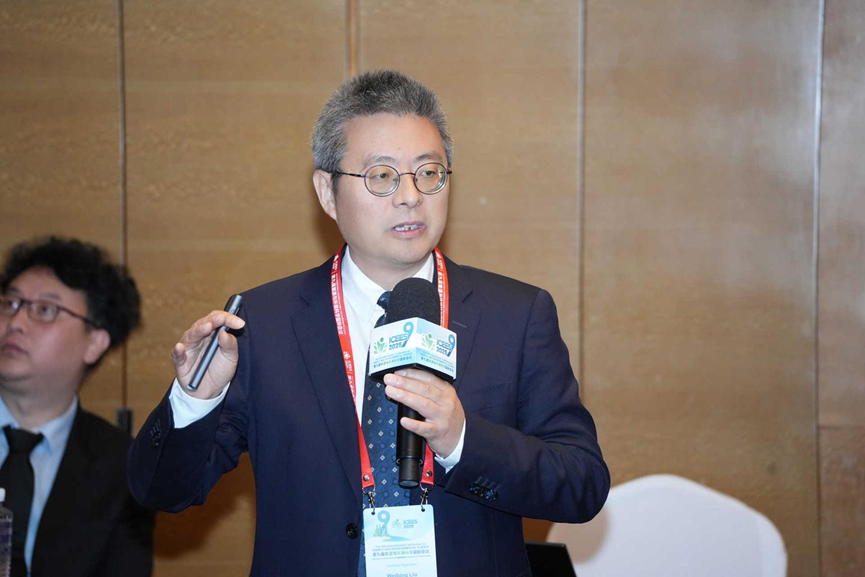
2025-06-09
2022-10-13


抖音二维码


微信公众号

QQ群:

小红书二维码
(028)65292560
Floor 6, Building 3, ShuDu Center, No. 138, Tianfu 2nd Street, High-tech Zone, Chengdu City, Sichuan Province
info@scdavid.com
Links