At the
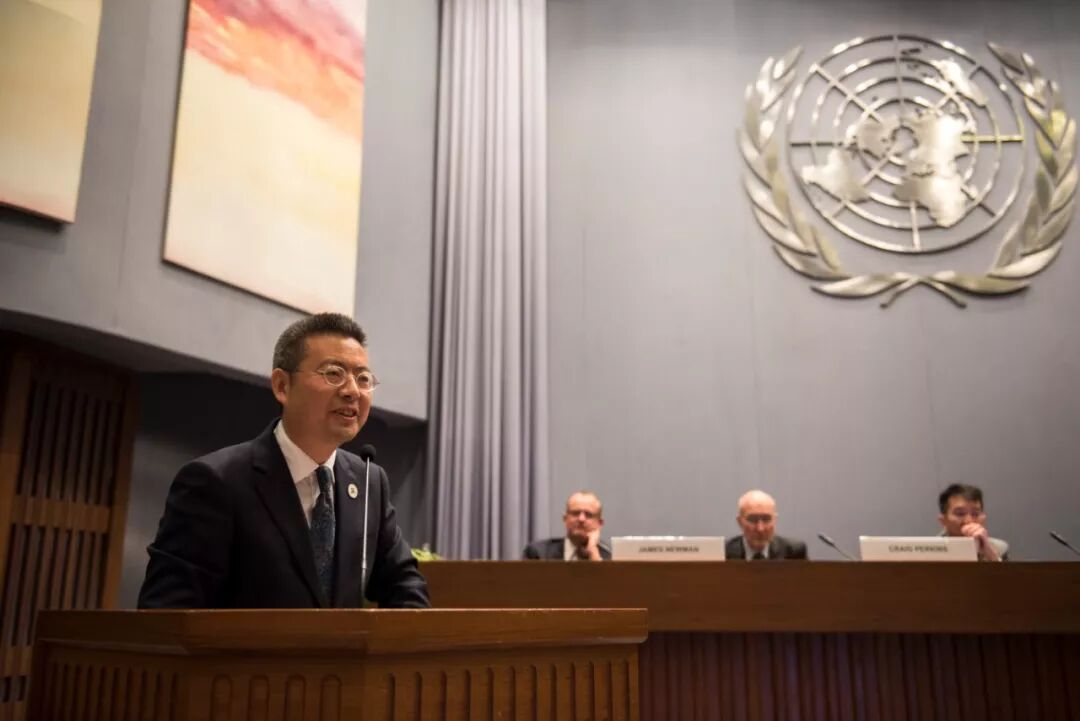
2018 Global Forum on Human Settlements Annual Conference held in Bangkok, Thailand, Liu Weibing, a Sichuan-based architect, was invited to attend and delivered a keynote speech entitled
Historical Context and Urban Renewal, focusing on preserving humanistic individuality and historical texture to advance the sustainable development of cities.
Liu Weibing, a Sichuan Architect, Delivers a Keynote Speech
Born in Chongqing and raised in Sichuan, Liu Weibing is a Member of the Chengdu Municipal Committee of the Chinese People's Political Consultative Conference (CPPCC), a Professor-level Senior Architect, a Member of the Sichuan Artists Association, a Senior Member of the Architectural Society of China, a Member of the Sustainable Building and Climate Initiative (SBCI) under the United Nations Environment Programme (UNEP), and Chairman of Sichuan David Architectural Design Co., Ltd.
The works he has led the design of have won the China National Ethnic Architectural Culture Protection Award and the 2012 Global Award for Excellence in Human Settlements Planning and Design.
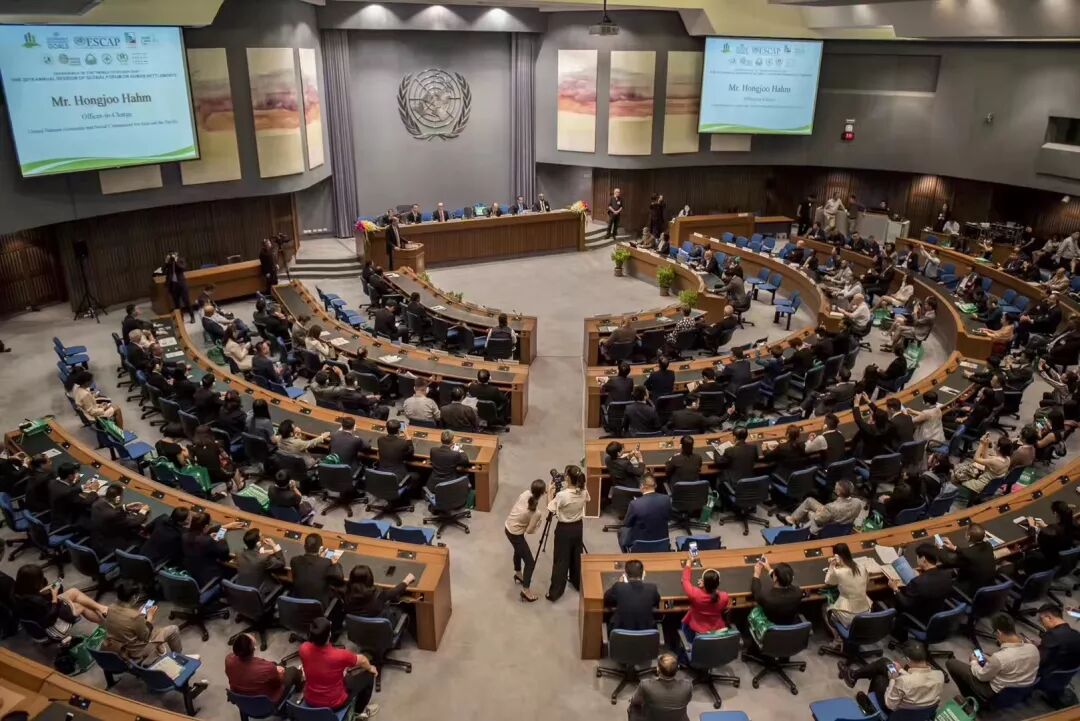
Overview of the 2018 Global Forum on Human Settlements Annual Conference
As an important commemorative event for the United Nations World Cities Day, the 2018 Global Forum on Human Settlements Annual Conference was held on October 30-31, featuring fruitful discussions on enhancing urban innovation to advance the achievement of Sustainable Development Goal 11 (SDG 11) and the New Urban Agenda.
Mr. Ham Hong-joo, the leading official of the United Nations Economic and Social Commission for Asia and the Pacific (UNESCAP), attended the conference and delivered a speech.
Ms. Maimunah Mohd Sharif, Under-Secretary-General of the United Nations and Executive Director of the United Nations Human Settlements Programme (UN-Habitat), spoke highly of the unremitting efforts and outstanding contributions made by the Global Forum on Human Settlements (GFHS) to advancing sustainable urban development and human settlements over the past decade.
Hosted by the Global Forum on Human Settlements (GFHS) and specially supported by the United Nations Economic and Social Commission for Asia and the Pacific (UNESCAP), the annual conference was co-organized by the World Association of Non-Governmental Organizations (WANGO), the Universal Peace Federation (UPF) and other relevant institutions.
More than 400 participants attended the conference, including political dignitaries from relevant countries, senior UN officials, diplomatic envoys, experts and scholars, as well as representatives of women and children.
Core Focus of the Forum
The forum aimed to provide a high-level dialogue platform for stakeholders across the Asia-Pacific region and the globe to share policies, strategies, technologies and successful experiences in urban innovation. It also sought to strengthen capacity building, foster new partnerships, accelerate effective actions to achieve SDG 11 and the New Urban Agenda, and promote practical cooperation and green development under the framework of the Belt and Road Initiative.
In-depth discussions were held on key topics for advancing the localization of the Sustainable Development Goals, such as a resilient circular economy; building international model green new cities – urban innovation and green growth; financing for sustainable urban infrastructure; sustainable urban planning; innovation in development and governance; blockchain technology and smart cities; urban water cycle management and the SDGs; and eco-cities and prefabricated construction.
Unleashing Local Synergies for Sustainable Development
The Sustainable Development Goals are a global endeavor, and the achievement of these ambitious goals in cities and communities hinges on the capacity building and proactive actions of local governments, as well as partnerships with relevant stakeholders.
As emphasized by the UN Secretary-General in his comprehensive report, "Much of the investment to achieve the SDGs will take place at the local government level and be led by local authorities."
SDG 11 calls for the construction of inclusive, safe, resilient and sustainable cities and human settlements, which is the key to driving the localization of all 17 SDGs.
Against this backdrop, the annual conference addressed a highly relevant and timely theme. It not only highlighted the enormous potential of cities in boosting innovation and realizing green growth, but also advocated for leveraging well-designed policies, strategies and approaches to maximize the synergies of local actions by municipal governments, industries and civil society.